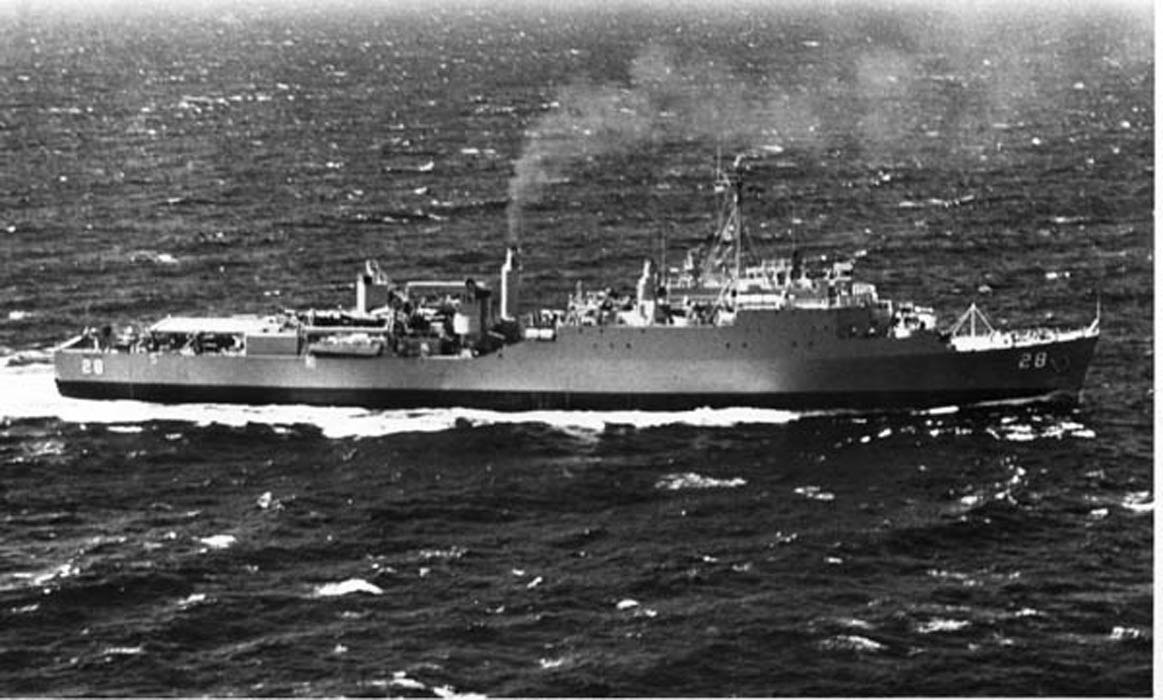
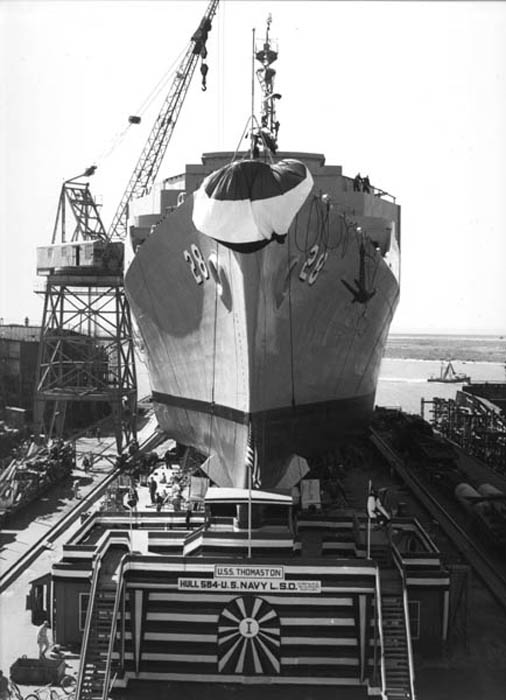
Ready to launch
at Ingalls Ship Yard
September 17th, 1954
|
|
Sliding into the water during launch
at Ingalls Ship Yard
September 17th, 1954
|
|
First time in the water after launch
at Ingalls Ship Yard
September 17th, 1954
|
|
USS Thomaston LSD-28
Ship builders and officers
at Ingalls Ship Yard
September 17th, 1954
|
|
USS Thomaston LSD-28
Original Crew - "The Plank Owners"
1954
|
|
|
There were many changes to the Thomaston over the years which you may notice in the various photos
|
|
|
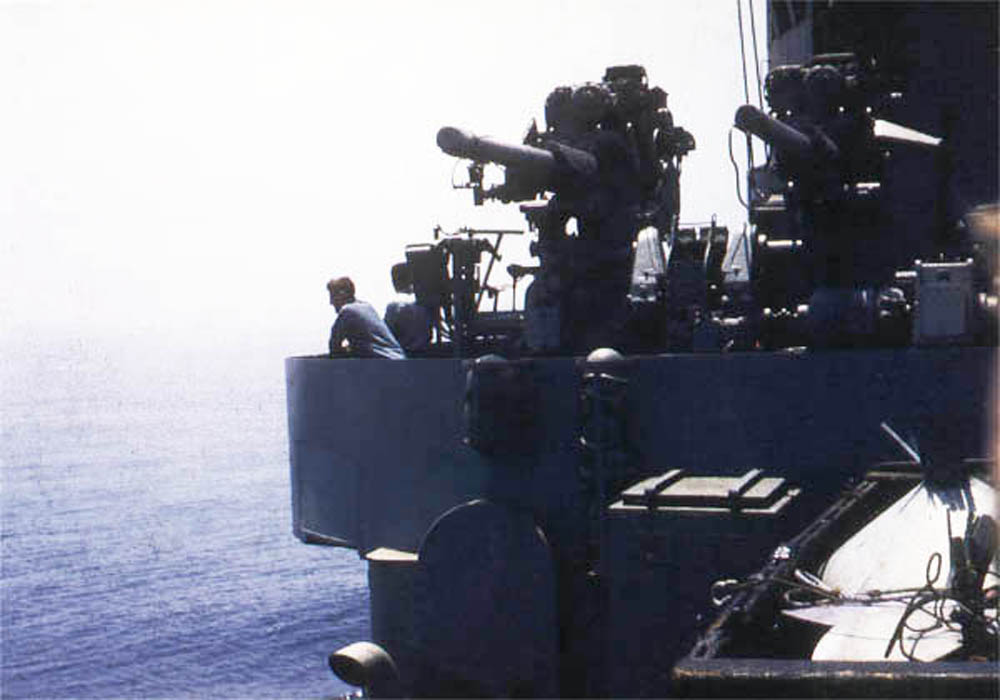
The wing wall gun mounts which were removed later can be seen in this photo.
|
|
|
USS Thomaston in the Artic, see more photos of the Artic in the operations area
|
|
|
Smokin Black !
|
|
|
Only six gun mounts left at the time of this photo
|
|
|
Calm seas made working on the Thomaston easier
|
|
|
Going under the Golden Gate Bridge in San Francisco
|
|
|
Passing by Point Loma in San Diego Harbor
|
|
|
Departing San Diego
|
|
|
Steaming outside of San Diego
|
|
|
USS Thomaston in Sydney Australia, 1971
|
|
|
In San Diego before 1959 Westpac
|
|
|
Entering Point Loma, San Diego
|
|
|
The Thomaston looking good - Photo by LSD-7 Commander Bob Huston
|
|
|
USS Thomaston LSD-28 carried Marines and their equipment. When the well deck was flooded the stern would sit low in the water with the 'stern gate' down to allow for landing craft and amphibious vehicles to be deployed
|
|
|
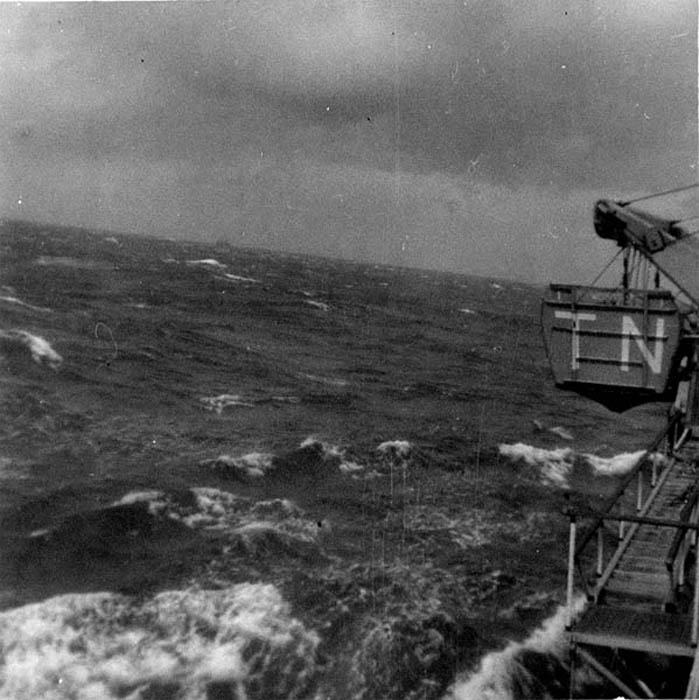
TN was used to identify the USS Thomaston Boats
|
|
|
Storms such as this one in 1958 would make for a rough time if the boats needed to be launched
|
|
Boats were used for more than just transportation...
When the crew needed a break, the ship might anchor near a nice island, fill up the well deck like a swimming pool,and tie up one of the boats next to the ship.
In the 70's it was against Navy regulation to drink a beer on board a ship but you could on a boat !
|
|
|
You could get pretty wet from the waves sometimes !
|
|
|
Preparing for a visitor to come along side
|
|
|
The boats were ready to go at a moment's notice in case of situations like a 'man overboard'
|
|
|
Officers were formally piped aboard
|
|
|
Crew, UDT and other visitors would sometimes use at sea access to come aboard or leave the Thomaston
|
|
|
The Thomaston's cranes for many purposes that included launching and retrieving boats
|
|
|
There were different types of boats such as the captains 'gig' and 'liberty boats'
|
|
|
The USS Thomaston was armed with twin 3 inch 50 guns
|
|
|
Spring covers made of canvas, then later replaced by stainless steel were also as protection from the salt air
|
|
|
The guns had plugs in the barrels when not in use to protect them from the salt air which were to be removed before firing, but if someone forgot to, they simply blew off into the sea !
|
|
|
There were originally eight twin 3 inch 50 guns on the Thomaston. The ones on the 'wing walls' were removed 1st
|
|
|
The ship was originally designed to have 40mm guns but they were never installed
|
|
|
Port bow gun (right) with GMG3 Lynn Luth wearing a headset
|
|
|
GMG3 'Bunny' Bundschuh Port side midship gun
|
|
|
Canvas covers were also used to further protect the guns critical parts
|
|
|
Wing wall gun as viewed from the original flight deck area
|
|
|
Ballast tanks much like a submarine has were used to raise and lower the ship
|
|
The Thomaston could fit two LCM's side by side in the well deck.
Landing craft are capable of transporting cargo, tracked and/or wheeled vehicles and troops from amphibious assault ships to beachheads or piers. LCMs have a bow ramp for onload/offload
|
|
The USS Thomaston was like a floating dry dock. It would lower the 'stern gate' and sink into the water filling up the 'well deck' area.
Amphibious craft could come in and out of the well deck area picking up troops and equipment
|
|
|
The amount of equipment and supplies carried would vary from nearly empty to very full
|
|
|
The well deck would be above sea level and dry while at sea
|
|
|
The stern gate being lowered
|
|
|
It takes about an hour and a half to ballast the ship down until there's enough water in the docking well to float the small craft and sometimes started while still underway. The water level was carefully watched and controlled when ballasting down
|
|
|
When the well deck was empty, we sometimes would fill it up and use it as a swimming pool
|
|
|
The stern gate was kept up to keep out sharks but also allowed for a distinct odor in the water from the oily wood bottom of the well deck
|
|
|
'Swim Call' was very popular and something that the crew looked forward to
|
|
The well deck in the fifties
The well deck which is also know as a well dock or docking well was officially termed a wet well in U.S. Navy instructions
|
|
|
There were various kinds of craft that could be seen at different times in the well deck
|
|
|
Trucks and equipment were stored above the well deck and in the mezzanine deck
|
|
|
The Marines stored supplies in the mezzanine deck
|
|
|
The crane could be used to lift and move many things
|
|
The Thomaston sometimes carried a LCU, which is type of landing craft that was classified as a Naval Ship !
The LCU's have both bow and stern ramps for onload/offload and have the ability to operate at sea for up to 10 days
|
|
|
The flight deck covered the well deck and was strong enough to allow certain types of helicopter to land on it
|
|
|
The flight and well deck at sunset in the Philippines
|
|
|
Some amphibious craft could go underwater as they left the well deck. It was a good idea to close the hatches before driving off!
|
|
|
This photo was provided by Captain Carson, it is showing how operations could be rough at times. Notice the saftey boat to the left.
|
|
|
USS Thomaston flight deck and cranes at sunset in Subic Bay, Philippines 1973
|
|